
Overview
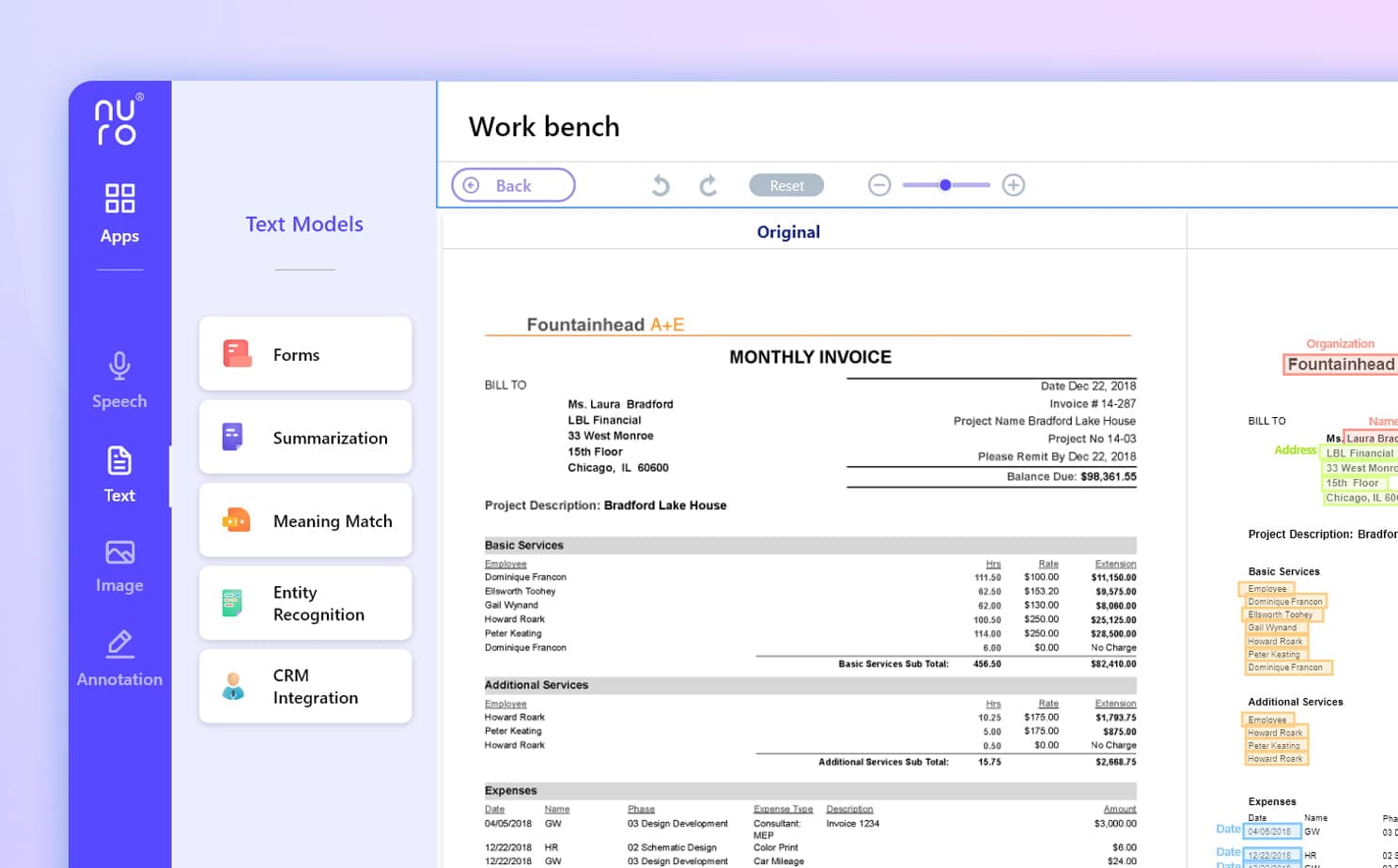
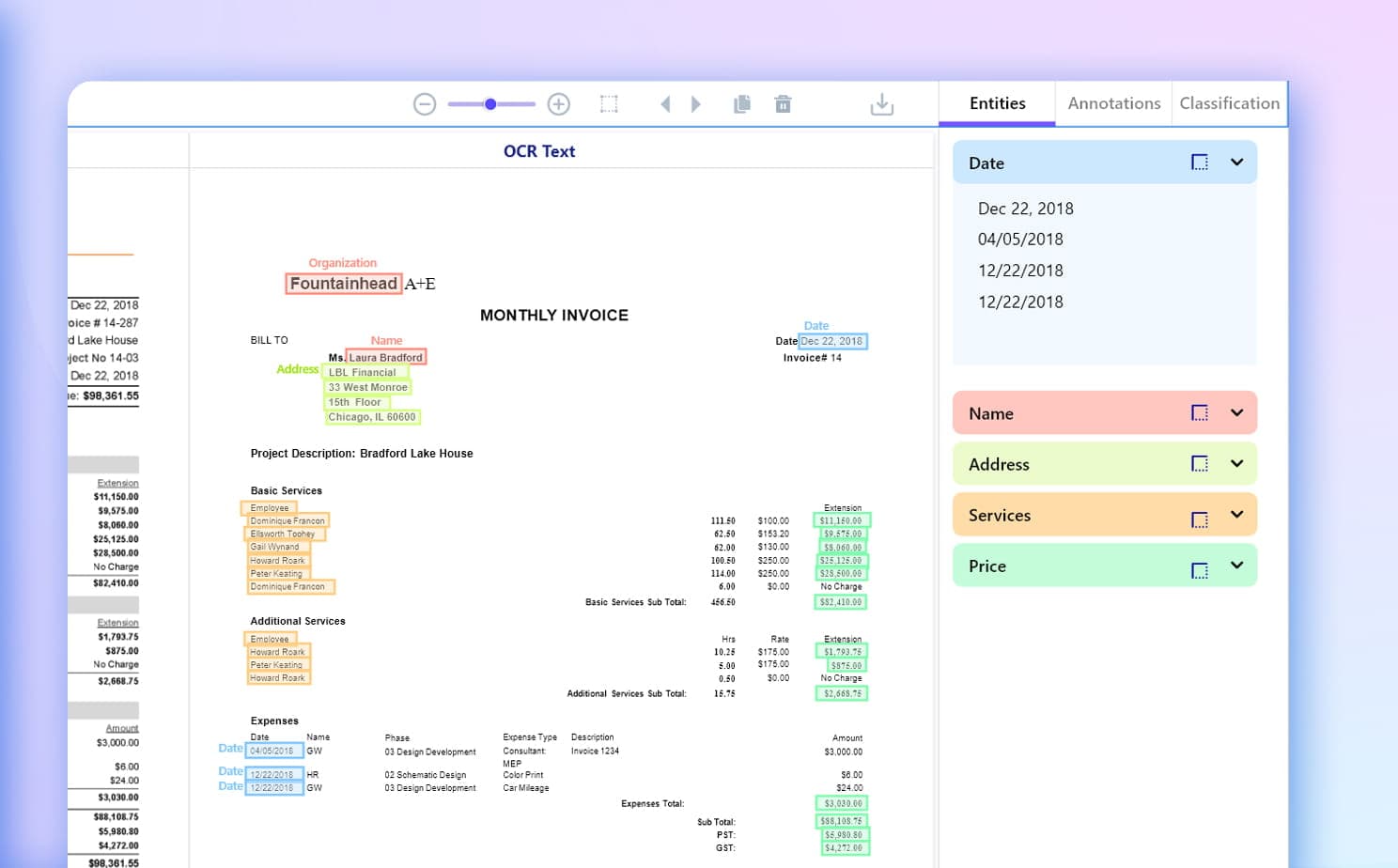
The OCR Platform is an intelligent document processing system designed to extract structured information from scanned documents, images, and PDFs. It automates data extraction workflows, reducing manual effort while improving processing speed and accuracy.
Problem
Organizations often receive large volumes of scanned documents that require manual data entry, making the process time-consuming and prone to human error.
Solution
Developed an AI-powered OCR platform capable of processing uploaded documents, extracting relevant information, and presenting structured results through an intuitive web interface.
Architecture
- 1React.js / Next.js Frontend
- 2Django Backend
- 3OCR Processing Engine
- 4Background Task Queue
- 5Database & Storage
React.js / Next.js Frontend → Django Backend → OCR Processing Engine → Background Task Queue → Database & Storage
Responsibilities
- Developed backend APIs for document processing workflows.
- Integrated OCR engines into the application.
- Designed document upload and processing pipelines.
- Built frontend interfaces for document management and result visualization.
- Optimized processing performance for large document batches.
Challenges
- Handling documents with varying layouts, image quality, and formats.
- Optimizing OCR performance while maintaining high extraction accuracy.
- Managing asynchronous processing for large document workloads.
Tech stack
Backend
Frontend
Infrastructure
AI & Media
Screenshots
Impact
Developed an OCR platform that automates document processing workflows, reducing manual effort and improving the efficiency of structured data extraction from scanned documents.
Lessons learned
- OCR accuracy depends heavily on image quality and preprocessing techniques.
- Background processing significantly improves user experience for large document uploads.
- Building modular processing pipelines makes it easier to support new document types and OCR engines.
- AI-assisted validation helps improve the reliability of extracted information.
Future improvements
- Support for additional document templates
- AI-powered document classification
- Human review and validation workflow
- Batch processing optimization
- Multi-language OCR support
- Advanced analytics and reporting